Essential Components of the Certificate III Curriculum for Auto Electricians
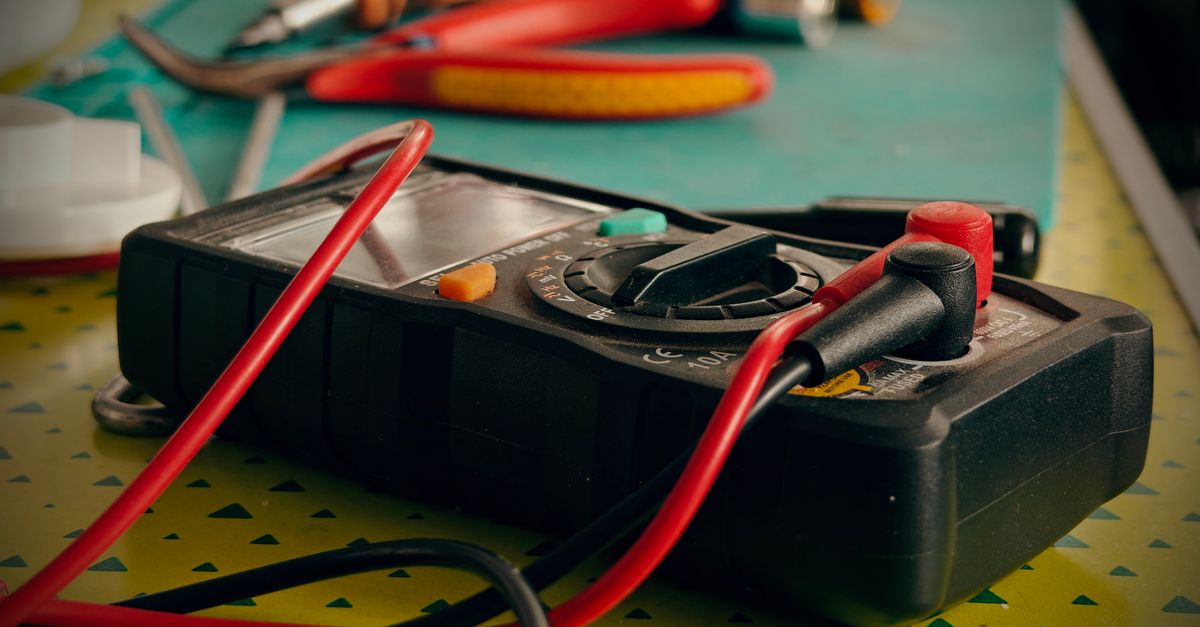
Table Of Contents
Maintenance and Repair Techniques
Auto electricians must master various maintenance and repair techniques specific to automotive electrical systems. These techniques include diagnosing electrical faults, performing routine inspections, and replacing components as necessary. Familiarity with diagnostic tools such as multimeters and oscilloscopes is essential. Technicians also need to understand wiring harnesses and connectors to ensure proper functionality of electrical systems.
In addition to hands-on skills, effective troubleshooting strategies are vital. Technicians should be able to interpret vehicle electrical schematics and identify common issues within circuits. Knowledge of repair protocols enhances efficiency, allowing electricians to carry out tasks such as soldering, crimping, and securing electrical connections safely. Cultivating these abilities contributes significantly to the reliability and safety of modern vehicles.
Common Electrical Systems in Vehicles
Automobiles rely on a variety of electrical systems for optimal performance. The starting and charging systems are crucial, as they provide the necessary power to crank the engine and recharge the battery. Additionally, lighting systems ensure visibility during night driving and adverse weather conditions, incorporating headlights, taillights, and turn signals. Vehicles also utilize ignition systems to create the spark needed to ignite the air-fuel mixture in the engine.
Another essential component is the electronic control unit (ECU), which manages various engine functions and optimizes performance. Sensor systems play a critical role by monitoring engine parameters and relaying data back to the ECU for adjustment. Advanced electrical systems, such as infotainment units, have become common, offering connectivity and entertainment features that enhance the driver and passenger experience. Understanding these systems is fundamental for any aspiring auto electrician.
Understanding Vehicle Electronics
The integration of electronics into vehicles has transformed the automotive landscape, making an understanding of this field essential for aspiring auto electricians. Modern vehicles rely heavily on various electronic components to operate efficiently. These components include sensors, controllers, and actuators. Familiarity with these systems allows technicians to diagnose and troubleshoot issues effectively.
Moreover, vehicle electronics encompass critical areas such as power management, communication protocols, and advanced driver-assistance systems (ADAS). Gaining expertise in these areas equips auto electricians with the skills required to maintain and repair complex electrical systems. Knowledge in vehicle electronics not only enhances a technician's ability to work on current models but also prepares them for emerging technologies in the automotive industry.
Key Components of Automotive Electrical Systems
Automotive electrical systems are integral to the functionality of modern vehicles. Starting with the battery, it serves as the primary power source, supplying electricity needed to start the engine and powering various components when the engine is off. The alternator functions to recharge the battery while the vehicle runs, converting mechanical energy into electrical energy. Additionally, the starter motor is crucial for initiating engine operation, drawing current from the battery to facilitate ignition.
Wiring harnesses serve as the network through which electrical signals travel, connecting various systems and components across the vehicle. Relay systems help manage power delivery to different components, ensuring that everything operates efficiently and safely. Finally, sensors play a vital role in monitoring vehicle conditions, providing real-time data that informs the engine control unit (ECU) to optimize performance and fuel efficiency. These components work together, creating a sophisticated electrical ecosystem that is essential for modern automotive performance.
Industry Standards and Compliance
The automotive industry is governed by a complex framework of standards aimed at ensuring safety, performance, and environmental sustainability. Compliance with these standards is not just about adhering to regulations; it also reflects a commitment to quality and professionalism in automotive repair and maintenance. Auto electricians must stay informed about local, national, and international standards that impact their work. Familiarity with the latest guidelines helps technicians provide reliable services while minimizing risks associated with non-compliance.
Navigating regulatory requirements can be challenging for those in the field. It involves understanding both legal obligations and best practices within the industry. For auto electricians, staying updated with certifications and training programs is essential. Regular engagement with industry bodies and participation in workshops will enhance knowledge and skills. This proactive approach not only aids in compliance but also fosters trust with clients and employers.
Navigating Regulatory Requirements
In the automotive industry, understanding and adhering to regulatory requirements is crucial for auto electricians. Familiarity with national and state legislation regarding vehicle safety standards helps ensure compliance during installation and repair work. This knowledge streamlines processes and enhances the safety of automotive systems. Additionally, keeping up with changes in regulations protects businesses from potential legal issues.
Auto electricians must also be aware of industry-specific certifications and standards. These certifications often require ongoing education to stay current. Compliance with standards set by organizations such as the National Institute for Automotive Service Excellence (ASE) not only validates an electrician's expertise but also builds trust with consumers. Staying informed on these aspects enhances vocational growth and promotes best practices in the field.
FAQS
What is included in the maintenance and repair techniques of the Certificate III curriculum for auto electricians?
The maintenance and repair techniques section covers diagnostic procedures, troubleshooting methods, and hands-on repair practices for various automotive electrical systems.
What are some common electrical systems in vehicles that auto electricians work with?
Auto electricians commonly work with systems such as the battery, alternator, starter motor, lighting systems, and electronic control units (ECUs).
How does the curriculum address understanding vehicle electronics?
The curriculum includes theoretical and practical knowledge of vehicle electronics, focusing on circuits, sensors, and the integration of electronic components within modern vehicles.
What key components of automotive electrical systems are essential to learn in this curriculum?
Essential components include wiring harnesses, connectors, relays, fuses, and various sensors that are crucial for vehicle operation and diagnostics.
What industry standards and compliance issues are covered in the Certificate III curriculum?
The curriculum addresses relevant industry standards and compliance, including safety regulations, environmental considerations, and best practices for working with automotive electrical systems.
Related Links
Pathways to Achieving Certificate III in Automotive Electrical TechnologyUnderstanding the Certificate III in Automotive Electrical Technology Requirements
Financial Considerations for Enrolling in Certificate III Programs
Industry Demand for Certificate III Qualified Auto Electricians
Comparing Certificate III with Other Automotive Qualifications
Benefits of Completing Certificate III for Career Advancement in Auto Electrical
Key Skills Developed Through the Certificate III in Automotive Electrical Technology