Common Causes of Electrical Short Circuits in Cars
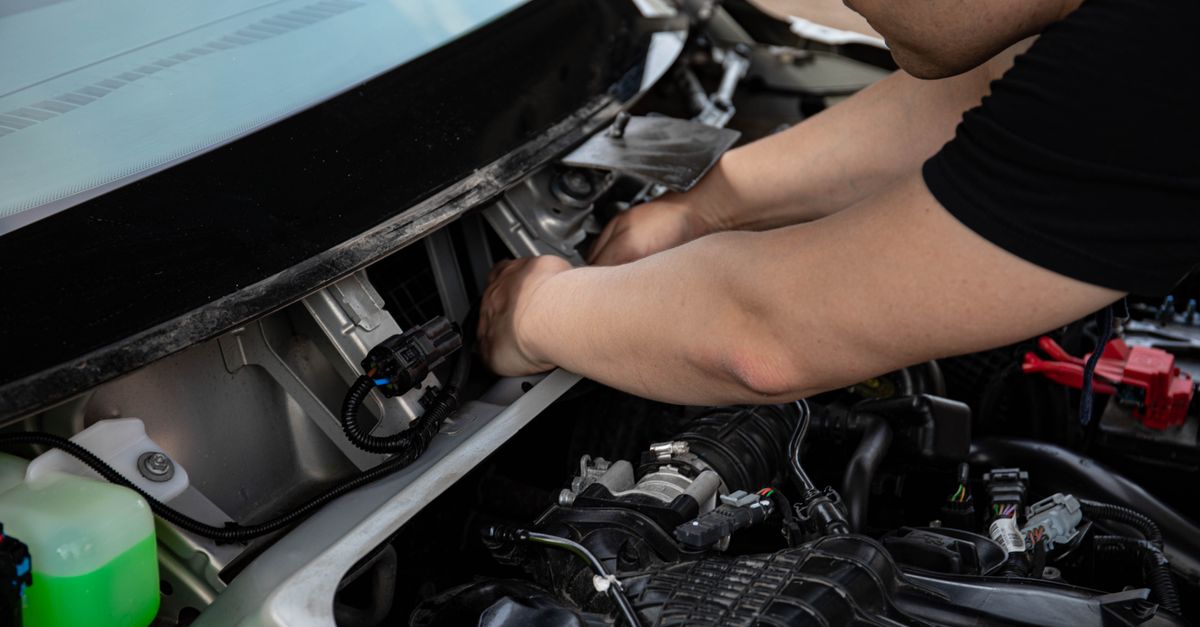
Table Of Contents
Overloaded Circuits
Electrical systems in vehicles are designed to handle a specific amount of current. When too many devices draw from a single circuit, it can lead to overheating and potentially create a short circuit. Accessories like high-wattage lights, aftermarket audio systems, or other modifications can easily overload the factory circuits. This excessive strain often results in blown fuses, damaged wiring, or even catastrophic electrical failures.
The symptoms of overloaded circuits may not be immediately apparent. Drivers might notice flickering lights or intermittent functionality in electrical components. These issues often escalate quickly, leading to costly repairs if not addressed promptly. Ensuring that electrical modifications are compatible with the car's original circuits is essential in preventing overload situations. Proper installation and awareness of the vehicle's electrical capacity can help mitigate these risks.
Consequences of Exceeding Electrical Capacity
Overloading electrical circuits in vehicles can lead to a series of detrimental outcomes. One immediate consequence is the risk of heat buildup. Excess energy flowing through wires creates excessive heat, which can damage insulation. This deterioration may expose wires, increasing the likelihood of short circuits or even fires.
In addition to fire hazards, exceeding electrical capacity can compromise critical components within the vehicle's electrical system. Fuses may blow as a protective measure, temporarily disabling important features such as lights or power windows. Frequent occurrences of blown fuses indicate underlying issues that may result from consistent overloads, urging the need for a thorough inspection and potential repairs to prevent further damage.
Improper Repairs
Electrical issues can often result from careless or improper repairs made to a vehicle's wiring system. When components are replaced or modified without the appropriate knowledge or tools, it can lead to loose connections and exposed wires. These situations not only create an environment for shorts but also increase the likelihood of further damage to the vehicle’s electrical system.
DIY electrical fixes may tempt some car owners to save on repair costs, but the risks associated with such approaches are significant. Unqualified alterations can introduce elements that disrupt the integrity of the car’s wiring. Additionally, makeshift solutions may not comply with safety standards, making the vehicle susceptible to electrical failures that could compromise both performance and safety on the road.
Risks Associated with DIY Electrical Fixes
Taking on electrical repairs in a vehicle can seem appealing, especially for those who enjoy hands-on work. However, lack of knowledge and experience can lead to significant risks. Incorrectly connecting wires or using incompatible components may result in short circuits, potentially damaging the car's electrical system. The absence of proper tools and resources further complicates the task, making it easy to overlook safety protocols.
DIY fixes can also disrupt the intended function of interconnected systems. Many modern vehicles feature intricate electrical networks that depend on precise connections and coding. A minor mistake, like mixing up wire connections or failing to properly insulate exposed wires, can trigger severe problems. These issues can manifest as malfunctioning lights, erratic sensor behavior, or even complete electrical failure, underscoring the importance of professional expertise in automotive electrical repairs.
Age of the Vehicle
As vehicles age, various components can deteriorate, leading to increased susceptibility to electrical issues. Wires may fray, insulation can wear away, and connections might corrode over time. These factors contribute to a higher likelihood of shorts developing within the vehicle’s electrical system. Aging components often struggle to handle modern electrical loads, further exacerbating the problem.
Older vehicles may lack the protective measures found in newer models. Upgrades in technology have improved the overall resilience of electrical systems, making them less prone to malfunctions. In a vehicle that has not been properly maintained, these outdated systems are more likely to fail, resulting in short circuits that could cause significant damage or even create safety hazards.
How Aging Vehicles Increase Short Circuit Risks
As vehicles age, their wiring systems experience wear and tear, which can lead to insulation degradation and exposed wires. This exposure increases the likelihood of short circuits occurring, particularly in environments where moisture or debris can infiltrate the electrical system. Additionally, older vehicles may have outdated wiring materials that are more prone to damage and failure, further amplifying the risks.
Components of aging vehicles may also corrode, creating weak points in the electrical connections. Corrosion can disrupt the flow of electricity, leading to spikes in current that trigger short circuits. Regular maintenance may be neglected on older vehicles, resulting in delayed identification of these issues. The combination of worn components and lack of preventative care significantly heightens the risk of electrical failures.
FAQS
What is an electrical short circuit in a car?
An electrical short circuit in a car occurs when an unintended path is created in the electrical system, allowing current to flow in a way that it shouldn’t. This can cause damage to electrical components and lead to vehicle malfunctions.
What are some common causes of electrical short circuits in cars?
Common causes include overloaded circuits, improper repairs, and the age of the vehicle. Each of these factors can contribute to the risk of short circuits by either exceeding electrical capacity or creating vulnerabilities in the wiring.
How does overloading a circuit lead to electrical short circuits?
Overloading a circuit happens when too much electrical current is drawn through a wire or component, which can overheat the wiring and potentially result in a short circuit. This can occur due to the addition of aftermarket electrical accessories or faulty components.
Why are DIY electrical repairs risky for my car?
DIY electrical repairs can be risky because they may not adhere to safety standards or proper techniques, leading to mistakes that can create short circuits. Without proper knowledge of the vehicle's electrical system, a DIY fix can worsen the problem or pose safety hazards.
How does the age of a vehicle increase the risk of electrical short circuits?
Older vehicles may have deteriorating wiring and electrical components, making them more susceptible to shorts. As insulation wears away or connections become loose over time, the likelihood of short circuits increases significantly.
Related Links
Tips for Repairing Damaged Wiring Harnesses in AutomobilesBest Practices for Maintaining Automotive Electrical Wiring
The Impact of Corrosion on Automotive Electrical Connections
Essential Tools for Diagnosing Wiring Issues in Automotive Applications
How to Recognise Wiring Damage from Environmental Factors
Understanding the Role of Grounding in Vehicle Electrical Systems
How to Troubleshoot Wiring Faults in Your Car Electrical System